
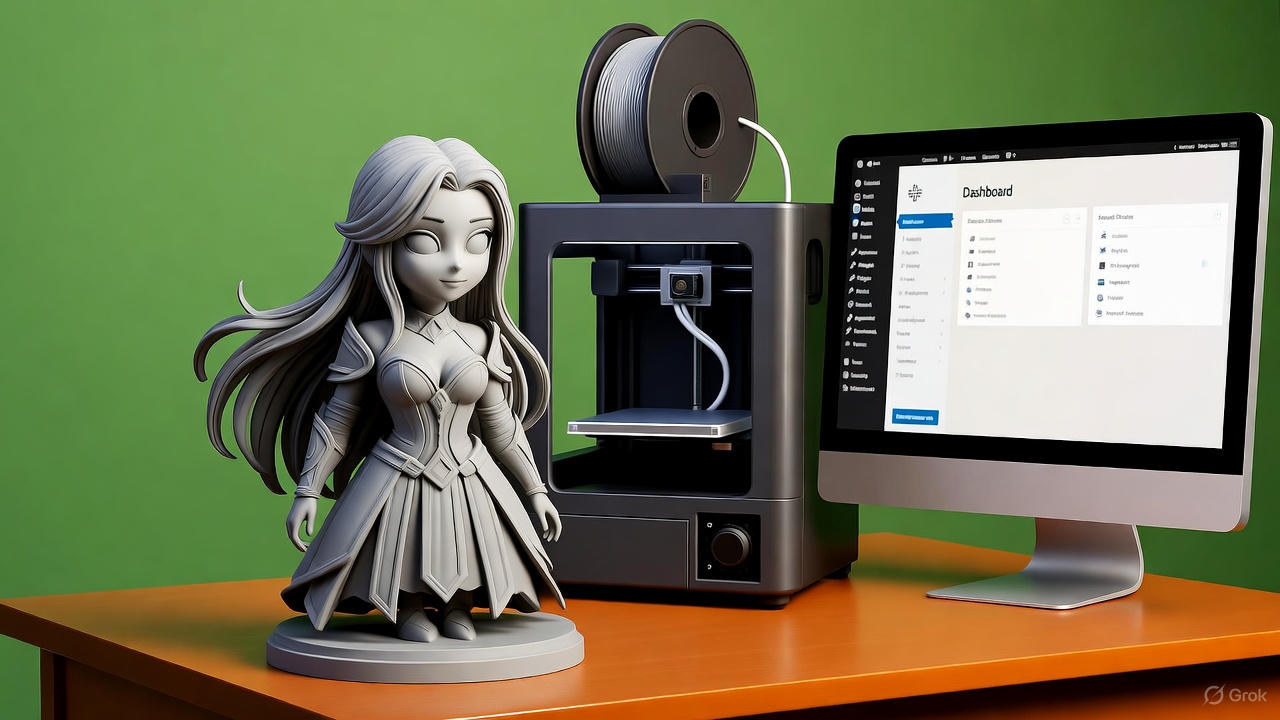
In the ever-evolving landscape of storytelling, indie authors are constantly seeking innovative ways to engage fans and expand their creative universes. Enter the world of 3D collectibles – a game-changer that transforms beloved characters from pages into tangible treasures. Whether you’re an author looking to monetize your IP or a fan hunting for unique memorabilia, read on to discover the potential of literary collectibles.
The Rise of Literary Collectibles in Fandom Culture
Fandom has grown beyond books and movies into a multi-billion-dollar industry, with collectibles at its heart. From action figures to custom statues, fans crave physical representations of their favorite stories. According to recent industry reports, the global collectibles market is projected to reach $500 billion by 2028, driven by niche segments like book-based merchandise.
- Why 3D Printing is Perfect for Indie Authors: Unlike mass-produced items, 3D printing allows for customizable, limited-edition pieces. This means smaller runs with higher perceived value, ideal for indie creators without big budgets.
- Fan Engagement Boost: Offering exclusive collectibles can turn casual readers into loyal advocates, increasing book sales and social media buzz.
- SEO Tip for Authors: By incorporating keywords like “custom book character figurines” or “3D printed fantasy heroes” into your product descriptions, you can improve your visibility on Google searches related to fandom merchandise.
Step-by-Step Guide: Collaborating on 3D Collectibles
Ready to dive in? Here’s a straightforward guide to getting started with author-artist partnerships for collectibles:
- Define Your Vision: Start with your story’s lore. Identify key characters, artifacts, or scenes that fans love. Think about what makes your world unique – is it epic fantasy, sci-fi tech, or mystical elements?
- Find the Right Artist: Platforms streamline this by matching you with vetted 3D artists specializing in literary adaptations. Look for portfolios that align with your genre.
- Secure Your IP: Use automated licensing tools to protect your intellectual property. This ensures fair revenue sharing – typically 50/50 splits on sales – without legal headaches.
- Design and Prototype: Collaborate on digital models. Tools like Blender or ZBrush bring concepts to life, with iterations based on your feedback.
- Launch and Market: Sell digital downloads for home printing or physical items via print-on-demand. Promote through your author newsletter, social media, and SEO-optimized blog posts like this one to drive traffic.
- Monetize Effectively: Integrate affiliate links, upsell bundles (e.g., book + collectible), or run Kickstarter campaigns. Track performance with Google Analytics to refine your strategy.
This process not only generates passive income but also enhances your website’s monetization through increased traffic and conversions.
Case Studies: Success Stories from Indie Collaborations
Real-world examples highlight the power of these partnerships:
- Fantasy Epic Revival: An indie author partnered with a 3D artist to create dragon rider figurines from their series. Sold exclusively on their site, it boosted book sales by 30% and ranked high in Google searches for “fantasy dragon collectibles.”
- Sci-Fi Universe Expansion: By offering customizable spaceship models, another creator turned a niche audience into a thriving community, with collectible sales funding their next book.
Boosting Your Website’s Visibility and Monetization
To maximize Google searches and monetization, focus on content marketing:
- SEO Best Practices: Use long-tail keywords like “how to create 3D book characters” in your blog titles and meta descriptions. Aim for 1,500+ word posts with internal links to your marketplace.
- Content Ideas: Write about trends in 3D printing, author spotlights, or tutorials on IP protection. This attracts organic traffic from aspiring creators.
- Monetization Strategies: Add ad networks like Google AdSense, affiliate programs for 3D printers, or premium content subscriptions. High-quality blogs can increase dwell time, improving your site’s ranking.
At LayerLore, our blog is designed to educate and inspire, driving users to explore our collaborations and shop.
Conclusion: Layer Your Lore with Endless Possibilities
Bringing literary worlds to life through 3D collectibles isn’t just a trend – it’s a revolution in how stories are experienced and monetized. What’s your favorite literary character you’d love to see in 3D? Share in the comments below!
Leave a Reply